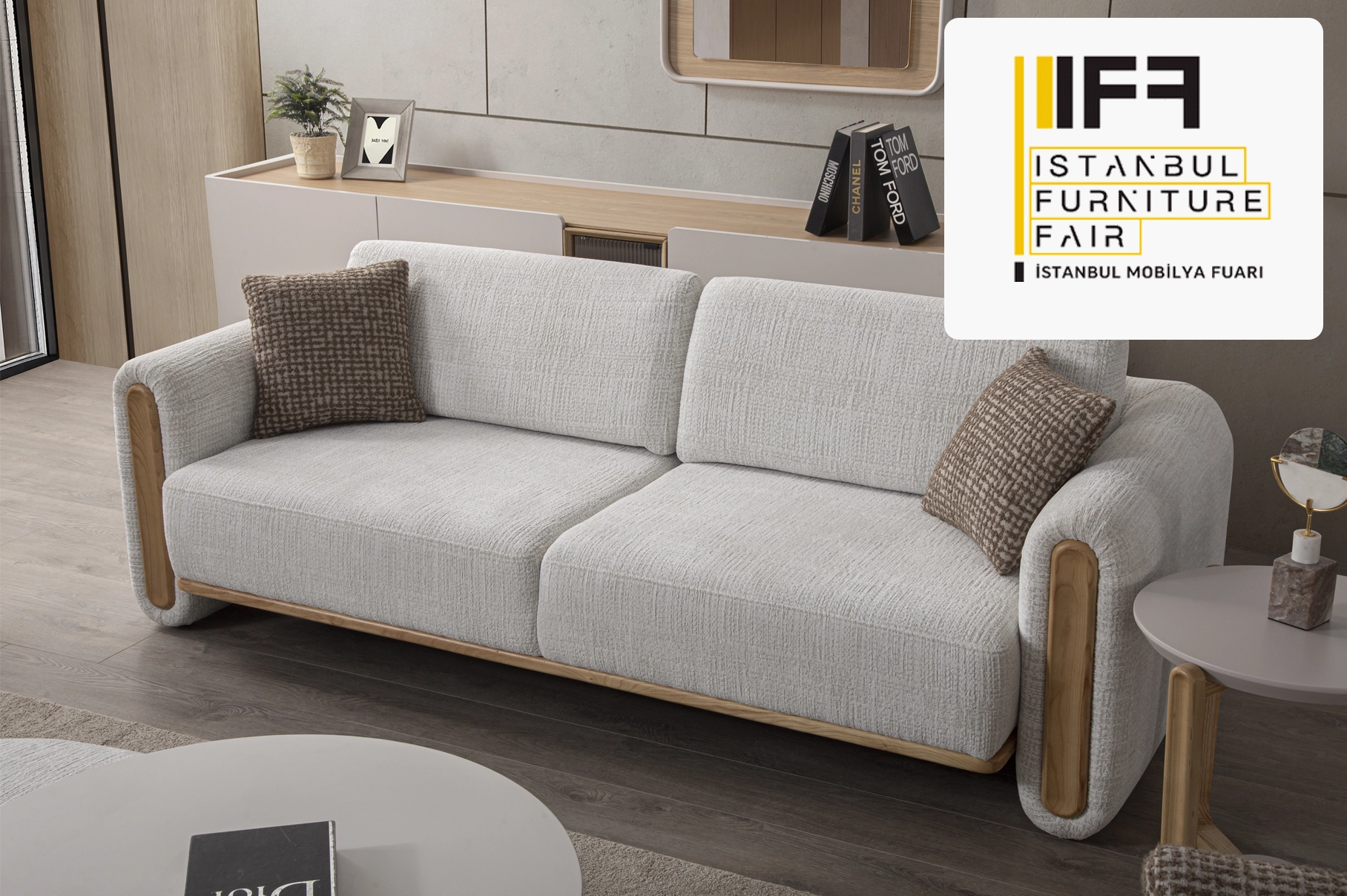
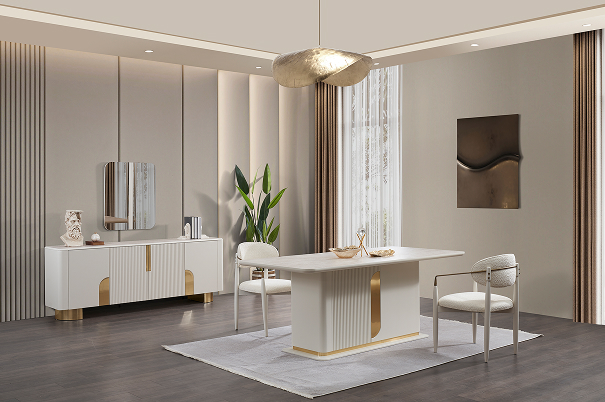
One of the most important elements that define the atmosphere of your home is your furniture. Can that sofa set or dining table you carefully selected, admiring its colors and texture, retain its original elegance for years? The answer is definitely yes. Furniture care is not just about cleaning; it is also an investment process that extends the life of your belongings. With the right techniques and regular maintenance, you can ensure your furniture stands the test of time.
In this article, we’ve compiled practical tips you can use to protect your furniture, clean it properly, and increase its durability.
Cleaning and Care of Fabric Furniture
The most frequently used pieces in your living room, such as chairs and sofas, are exposed to dust, dirt, and friction throughout the day. Here are the basic steps you can take to extend the life of your upholstered furniture:
1. Regular Vacuuming
Dust particles that get between fabric fibers can wear down the fabric over time and cause it to fade. Vacuuming your upholstery at least once a week with the soft brush attachment of your vacuum cleaner prevents this dust buildup. Be sure not to neglect hard-to-reach areas such as between cushions and along armrests.
2. Immediate Action Against Stains
When something spills on your seat as a result of an accident, you’re racing against time. The faster you treat the stain, the less likely it is to become permanent.
- Blotting Method: Never rub the spilled liquid. Rubbing causes the liquid to soak deeper into the fabric and spreads the stain. Instead, gently press (blot) the stain with an absorbent paper towel or clean cloth to soak up the liquid.
- Proper Cleaner: Instead of bleaches with heavy chemical content, use cleaners recommended by your furniture manufacturer or a mixture of warm water and white soap.
3. Protection from Sunlight
Fabrics exposed to direct and constant sunlight will fade over time and their fibers will weaken. If your chairs are in front of a window, you can reduce this effect by keeping your curtains closed during the sunniest hours of the day or by rearranging your furniture.
Protection of Wooden Furniture
Wood is a living, breathing material. Wooden furniture, which adds warmth to your home with its naturalness, is sensitive to changes in temperature and humidity.
1. Maintain Humidity and Temperature Balance
Keep your wooden furniture at least one meter away from heat sources such as radiators, stoves, or fireplaces. Excessive heat can cause wood to dry out, crack, or warp. Similarly, very humid environments can cause wood to swell. Maintaining the room’s humidity balance helps preserve the shape of your wooden furniture.
2. Surface Protection
Wooden surfaces are vulnerable to scratches and heat marks.
- Coaster Usage: Always use a coaster instead of placing hot or cold drinks directly on the wooden surface. A hot cup may leave permanent white rings on the varnish.
- Protective Covers: Using protective American placemats or covers on frequently used surfaces such as dining tables, especially when serving hot food, protects the wood from heat shock.
3. Dusting and Polishing
Using a microfiber cloth to dust wooden furniture prevents scratches on the surface. Instead of chemical sprays, wiping with a slightly damp cloth and then drying with a dry cloth is the healthiest method. Once or twice a year, treating the wood with natural oils or polishes suitable for the type of wood nourishes the material and preserves its shine.
Extending the Lifespan of Your Mattress and Bed Base
Our beds, where we spend a third of our day, require regular maintenance in terms of hygiene and comfort.
1. Airing the Bed
Instead of making your bed immediately upon waking up, open the bedding and allow it to air out for a while. This process allows the moisture accumulated during the night to dissipate from the bed and prevents the growth of bacteria.
2. Regular Conversion
If both sides of your mattress are suitable for use, flipping your mattress or changing its head-to-foot orientation during seasonal transitions (every 3-6 months) ensures that the filling material settles evenly. This simple process helps your mattress retain its shape and last longer.
3. Base Mechanism Control
Check the opening and closing mechanisms (shock absorbers) of your storage bases once a year. Tighten any loose connections in the mechanism. Also, when placing items inside the base, avoid overloading it in a way that could interfere with the mechanism’s operation.
General Usage Recommendations
- Caution When Moving Furniture: When relocating furniture, lift it rather than pushing or dragging it if possible. Dragging can damage your floor and weaken the furniture’s leg joints.
- Check the Connection Points: Screwed or assembled furniture may loosen over time. Checking and tightening the screws once a year will maintain the structural integrity of your furniture and prevent squeaking.
Result: Small Touches, Big Differences
Furniture care is a process that does not require much effort but makes a big difference when done regularly. At Türkmen Mobilya, we want our furniture, produced with the highest quality materials, to add value to your home for years to come when combined with your careful maintenance. Remember, well-maintained furniture is not just an item, but a valuable part of your home’s story.
Meta Title: Furniture Care: Practical Tips for Long-Lasting Use
Meta Description: How can you extend the life of your furniture? All the practical tips you need to know about fabric cleaning, wood protection, and mattress care are in this guide.